Introduction to BMW’s Success in the American Market
BMW, short for Bayerische Motoren Werke AG, has long been synonymous with luxury, performance, and innovative engineering. Founded in 1916 in Munich, Germany, the brand originally focused on aircraft engines before transitioning to motorcycle and automobile production in the 1920s. BMW’s commitment to quality and performance soon established it as a premier automobile manufacturer, with its distinctive “Ultimate Driving Machine” philosophy setting it apart from competitors. This focus on premium quality has firmly established the brand’s reputation in the American market.
Over the years, BMW has undergone significant growth within the United States, solidifying its status as one of the most respected luxury automobile brands. The introduction of models tailored to American consumers’ preferences, paired with a strategic approach to marketing, has played a critical role in this success. BMW’s ability to blend performance with practicality, particularly in their SUV and crossover segments, has resonated with many consumers seeking both luxury and functionality.
The brand’s adeptness at understanding market trends and consumer behavior has allowed it to maintain a competitive edge. The increase in demand for luxury SUVs has propelled models such as the BMW X3 into the spotlight, attracting buyers looking for both style and performance in their vehicles. Innovations in technology and safety features further bolster the appeal of the BMW lineup, making these vehicles a popular choice among discerning American drivers.
As we delve deeper into the specifics of BMW’s best-selling models, it becomes apparent that the brand’s success is rooted in a rich history combined with an unwavering commitment to excellence and an understanding of what American consumers desire in a luxury vehicle.
Top Selling BMW Models in the USA
BMW, a renowned luxury automobile manufacturer, has consistently delivered vehicles that appeal to American consumers. Among its diverse portfolio, several models have gained notable traction in the USA due to their performance, luxury, and innovative features. Understanding the sales dynamics of these top-selling BMW models is essential for grasping their popularity in the American market.
One of the standout performers is the BMW 3 Series, which has long been synonymous with the brand’s spirit of driving excellence. In recent years, it has achieved sales figures that often exceed 30,000 units annually. This model’s combination of sporty handling, premium interiors, and technological advancements resonates well with buyers seeking both performance and comfort.
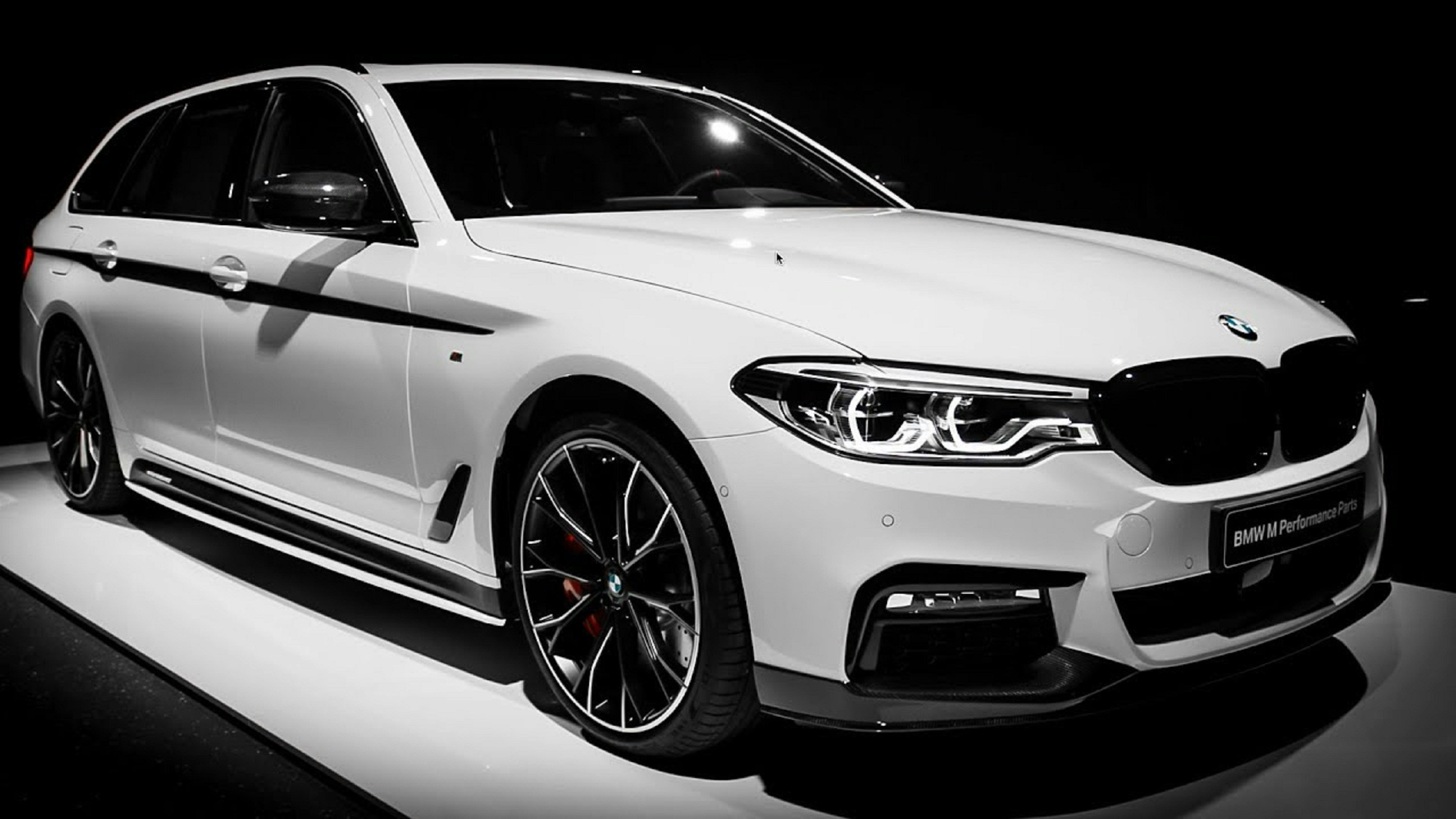
Next in line is the BMW 5 Series, capturing the attention of those who desire a blend of sophistication and power. Sales statistics reveal that the 5 Series has also been a significant contributor to BMW’s success, frequently recording figures that surpass 20,000 units per year. Its reputation for excellent driving dynamics, coupled with a spacious and opulent cabin, has made it a preferred choice among business professionals in the USA.
Another noteworthy model is the BMW X Series, particularly the X3 and X5, which have emerged as favorites in the growing SUV segment. The X3, with its practicality and driving performance, has gained collective sales that range into the tens of thousands, appealing to families and adventure enthusiasts alike. Meanwhile, the X5 continues to demonstrate a solid market presence, thriving on its luxurious offerings and robust engine options.
In conclusion, these top-selling BMW models exemplify the brand’s ability to cater to the diverse preferences of American car buyers. By combining luxury and performance with advanced technology, BMW continues to forge deep connections with professionals, families, and driving enthusiasts across the United States.
In-Depth Review of the BMW X3
The BMW X3 stands as a prominent contender in the luxury compact SUV segment, exemplifying a blend of performance, comfort, and cutting-edge technology. Its exterior design embodies a modern sophistication with clean lines and an athletic stance, showcasing BMW’s signature kidney grille and sleek LED headlights.
Under the hood, the X3 offers an impressive range of engine options that deliver exhilarating performance. The standard turbocharged four-cylinder engine provides ample power, while the available inline-six engine brings even more enthusiasm to the driving experience. Both powertrains are mated to an eight-speed automatic transmission, ensuring smooth shifts and responsive acceleration. The X3’s handling is refined, with precise steering and a well-tuned suspension that translates to exceptional agility on winding roads.
In terms of technology, the BMW X3 is equipped with the iDrive infotainment system, featuring a user-friendly interface, a large touchscreen display, and optional gesture controls for added convenience. Standard connectivity options include Apple CarPlay and Android Auto, allowing for seamless integration of smartphones. Safety features are comprehensive, with advanced driver-assistance systems such as automatic emergency braking, lane departure warning, and blind-spot monitoring, which bolster driver confidence.
Customer reviews highlight the X3’s spacious interior, offering ample legroom and cargo space, making it a practical choice for families. However, some critics note that the X3’s starting price can be on the higher side compared to rivals like the Audi Q5 and Mercedes-Benz GLC. Additionally, while the ride quality is generally smooth, sporty enthusiasts may find the suspension a tad firm on rougher roads.
Expert ratings frequently commend the BMW X3 for its overall balance of performance and luxury, underscoring its status as an excellent option in its class. In comparing the X3 with competitors, it becomes evident that while each vehicle has its strengths, the X3 consistently ranks high due to its driving dynamics and robust feature set.
Conclusion and Future Outlook for BMW in the USA
Through this discussion, we have examined the remarkable growth and success of BMW in the United States automotive market. The brand’s commitment to quality, innovation, and performance has consistently attracted a loyal customer base, contributing to its position as a leader in the luxury vehicle segment. Notably, models such as the BMW X3 have exemplified the company’s ability to blend functionality with luxury, catering to the ever-evolving preferences of American drivers.
Looking forward, several trends could shape the future of BMW in the USA. The increasing emphasis on electric mobility presents both challenges and opportunities for the brand. With the shift towards sustainability, BMW is poised to enhance its lineup with electric and hybrid models, potentially drawing in environmentally-conscious consumers. The introduction of the iX and the ongoing development of the i4 are indicative of BMW’s strategic direction towards electrification.
Moreover, the rise of digital technologies and connectivity in vehicles will likely be a key area of focus for BMW. As consumers increasingly seek vehicles that integrate seamlessly with their lifestyles, BMW’s advancements in infotainment and driver-assistance systems may give it a competitive edge. Additionally, enhancing user experiences with improved customer service strategies could drive future sales growth.
Another crucial factor to consider is the potential impact of the macroeconomic environment on luxury vehicle sales. As consumer confidence rebounds post-pandemic, the demand for high-end automobiles, including BMW, may see significant improvement. However, economic uncertainties and shifting consumer priorities could also pose challenges.
In conclusion, BMW appears well-positioned to maintain its prominence in the USA. By focusing on innovation, sustainability, and customer engagement, the brand can continue to thrive in the competitive landscape of the automotive industry.